
TipTap’s Takes
TipTap’s Takes is a blog where we explore movement, storytelling, and the powerful connection between dance and early childhood development. Here we share ideas, inspirations, and reflections on how stories can invite children to move, listen, imagine, and discover the joy of learning.
How Movement Brings Learning to Life. Where little feet and big imaginations meet.
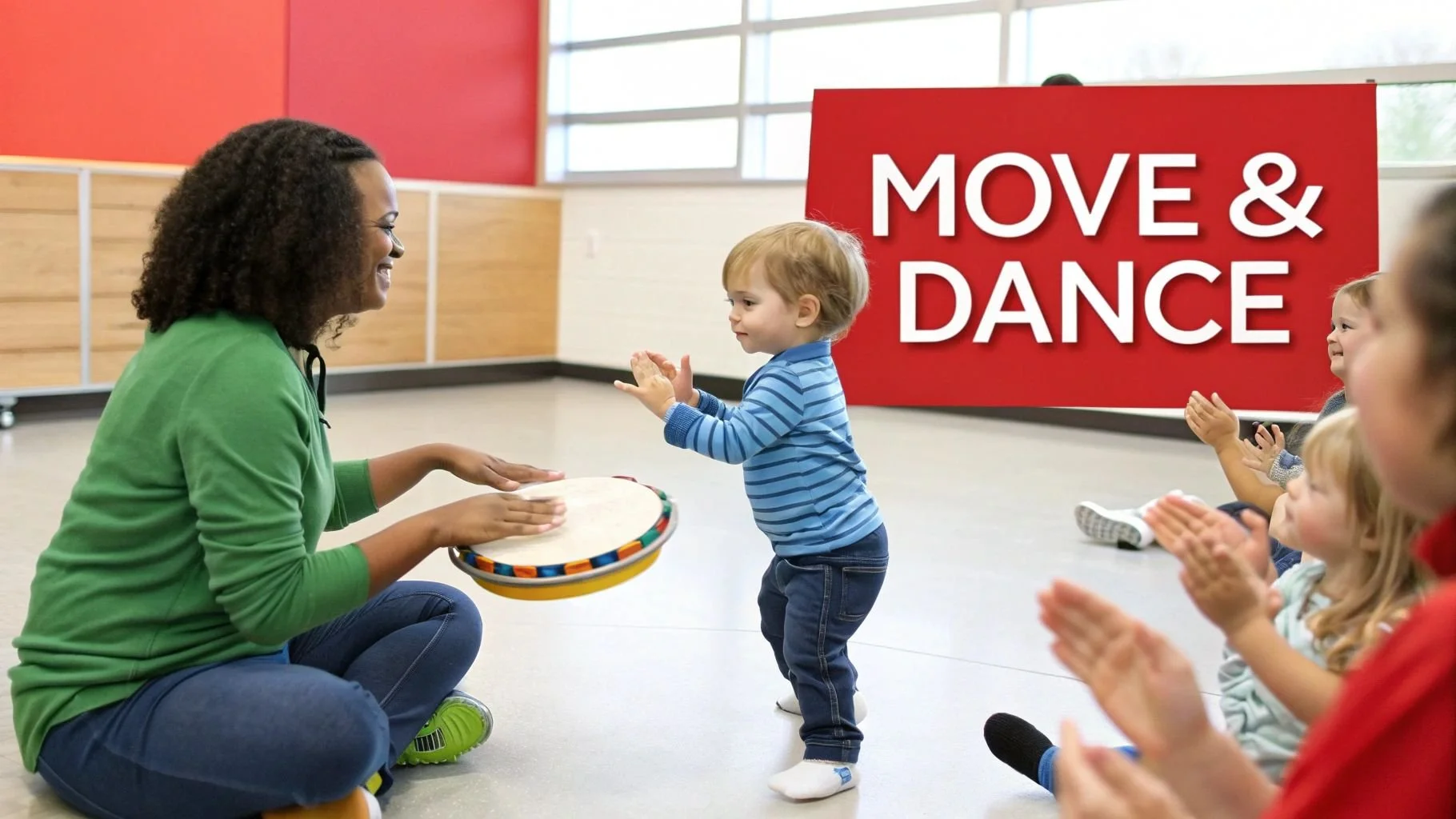
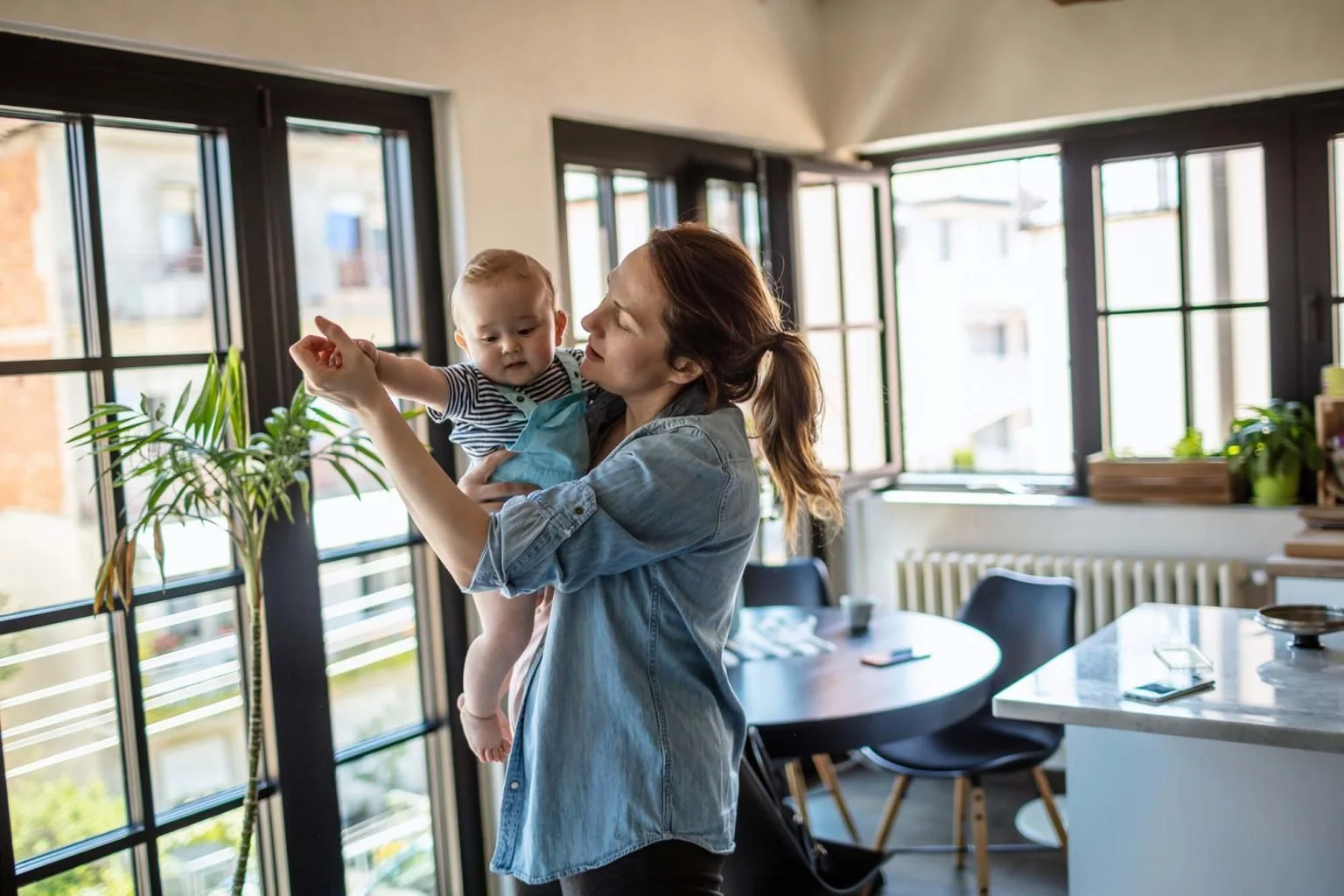
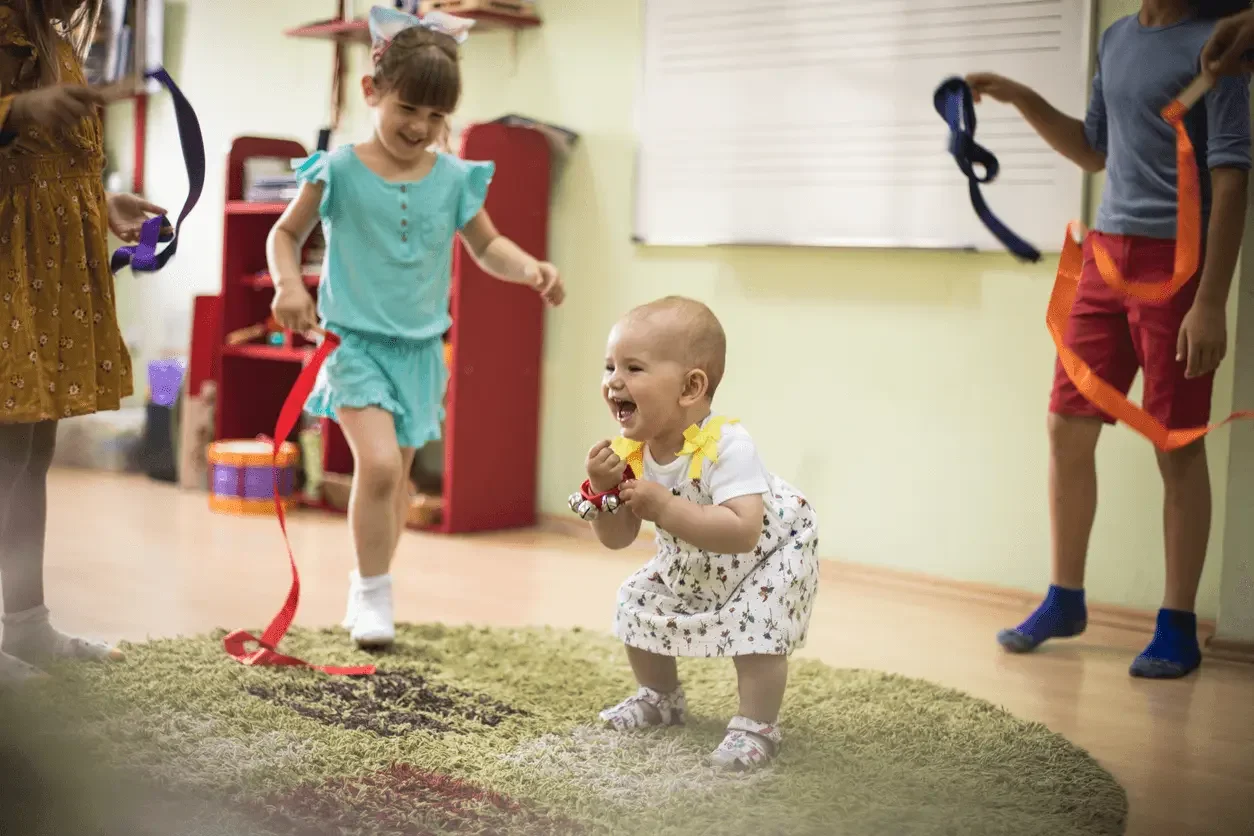
Mainstream education research increasingly points to a simple truth: young children are not meant to sit still and absorb information. As highlighted in publications like Why Young Kids Learn Through Movement(The Atlantic),Letting Kids Move in Class Isn’t a Break from Learning. It IS Learning.(The Washington Post), andCan Kids Learn More When They Exercise During Lessons?(Scientific American), movement is not separate from learning—it is a fundamental part of how children understand and engage with the world. When children move, act, and respond physically, they are not stepping away from learning—they are stepping into it.
At TipTap Tales, this belief is at the heart of everything we do. Through storytelling, rhythm, and carefully guided movement, we invite children to become active participants in the story—listening with their whole bodies, responding to language through motion, and stepping into each story as both audience and performer. When a child reaches like a growing tree, tiptoes like a quiet mouse, or spins through a moment of excitement, they are not just dancing—they are building language, strengthening focus, and discovering the joy of learning through movement.
References
Why Young Kids Learn Through Movement — The Atlantic
https://www.theatlantic.com/education/archive/2016/05/why-young-kids-learn-through-movement/483408/Letting Kids Move in Class Isn’t a Break from Learning. It IS Learning. — The Washington Post
https://www.washingtonpost.com/education/2019/07/23/letting-kids-move-class-isnt-break-learning-it-is-learningCan Kids Learn More When They Exercise During Lessons? — Scientific American
https://www.scientificamerican.com/article/can-kids-learn-more-when-they-exercise-during-lessons
How Dance Develops In Children
Before they can walk or talk, children dance. Most children display dance-like movements—flapping their arms or swaying their torsos to music—before their first birthday. Now, researchers are taking advantage of this early dancing and using it to understand more about infants’ knowledge and brain development.
Dance programs linked to developmental gains in toddlers, research suggests.
By Fiona Alston, March 11, 2026
Emerging research suggests structured dance programs may support physical, cognitive and social development in young children, offering early childhood educators another tool to support learning through movement.
Encouraging young children to stay active is an ongoing priority for families and educators.